Revolut Bank Review: Is This the Best Bank for Travelers?
Revolut is a must-have backup card for anyone living in Europe. Free weekday exchanges, instant P2P by username, and real deposit protection. Here is what the free plan actually covers.
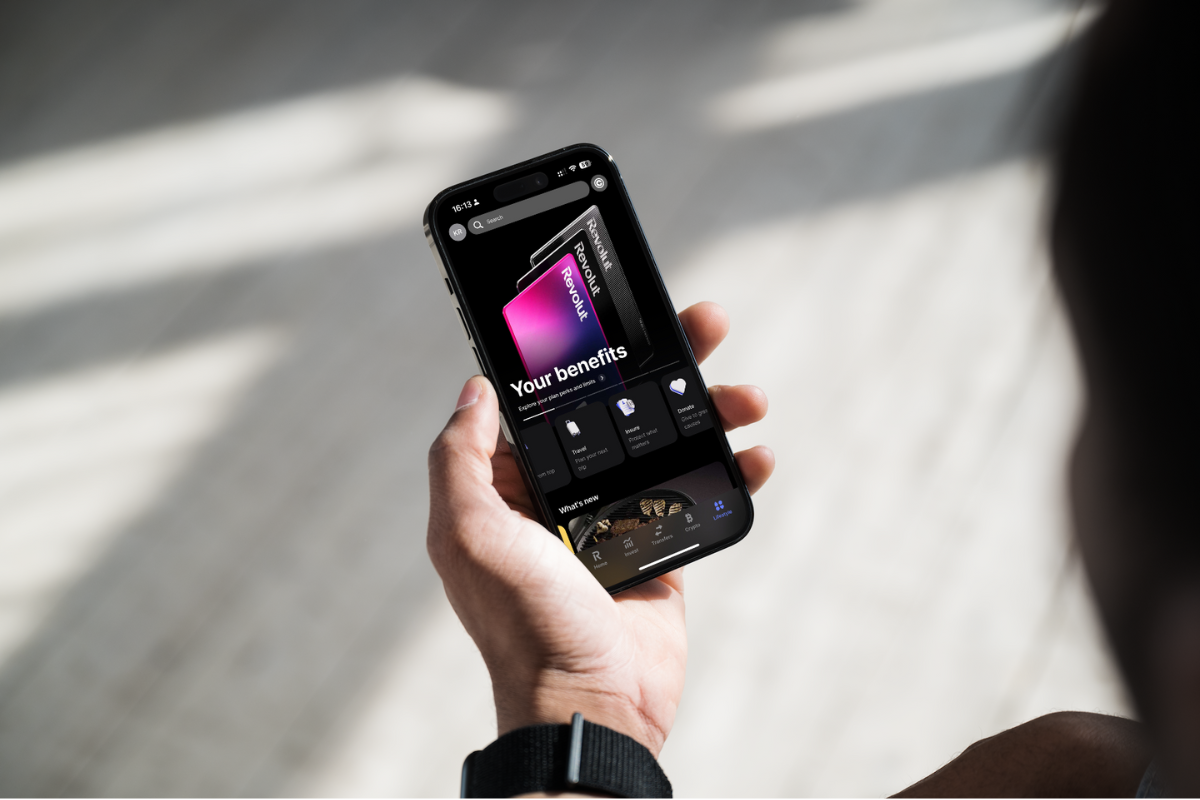
- Verdict: 🧩 Perfect for Those Living in Europe
- Best For: Expats and travelers in Europe who split bills, send money across borders, and spend in multiple currencies
- The Dealbreaker: Plan tier limits. Free currency exchange on Standard has a EUR 1,000/month cap and 1% weekend markup. Heavy users need Premium.
- Current Price: Free Standard plan. Premium from EUR 8.99/month. Metal EUR 15.99/month.
- Usage Duration: Regular user since 2018 for cross-border payments and bill splitting
- Top Competitor: Wise (see comparison below)
I have used Revolut since 2018 across 4 countries and 3 currencies. Free exchanges on weekdays, instant P2P transfers by username. If you live in Europe and deal with multiple currencies, this is the backup card you need.
Why I Started Using Revolut
I started using Revolut around 2018 when I moved abroad. Living across different countries means constantly dealing with multiple currencies. I needed something for the everyday stuff: splitting dinner with friends who have different bank accounts in different countries, sending money to people across borders without paying ridiculous fees.
Revolut filled that gap as my backup card. Not my main bank, but the one I reach for when I need to move money between people or currencies quickly.
I have been on Metal, downgraded to a paid plan, and now I am on the free Standard tier. The free plan covers everything I need for occasional bill splitting and cross-border payments.
Pros and Cons of Using Revolut
- ✅ Free currency exchange on weekdays (Standard plan). Convert up to EUR 1,000/month at the mid-market rate with zero markup. Most competitors charge 0.3% or more on every transaction.
- ✅ Peer-to-peer payments across borders take seconds. Split a dinner bill with a friend in Germany, pay someone back in Sweden. If they also have Revolut, you only need their username. No IBAN, no account number, no asking "wait, what are your bank details again?" No SWIFT fees, no waiting days.
- ✅ Customer support resolved a real dispute fast. When I accidentally double-paid a bill in Switzerland (entered the amount in the tip field. Revolut refunded me within 48 hours, even though the restaurant insisted they never received the extra charge.
- ✅ Proper banking license in Europe. Revolut Bank UAB is regulated by the Bank of Lithuania and ECB. In Spain, you get a local ES IBAN. Deposits insured up to EUR 100,000.
- ❌ Weekend markup hits Standard users. 1% fee on currency exchanges between Friday 5pm and Sunday 6pm ET. Premium and Metal plans remove this.
- ❌ Fair usage cap on free exchanges. Standard plan charges 1% after EUR 1,000/month. Plus charges 0.5% after EUR 3,000. Only Premium, Metal, and Ultra have no cap.
- ❌ Some users report frozen accounts during verification checks. This is a known concern online. I have not experienced it personally, but it is why I keep Revolut as a secondary card, not my primary account.
How It Actually Works
Multi-Currency Spending: How Revolut Handles Everyday Purchases Abroad
Revolut converts automatically at the point of sale. Pay in a local currency and the app pulls from your balance in that currency first. If you do not hold that currency, it converts from your primary balance at the mid-market rate.
- Time to set up: 5 minutes (download, verify ID, order card)
- Ease of use: 🔵 Easy
- Key observation: The app shows you the exact exchange rate and fee before every transaction. No surprises on your statement later.
You can also hold 36 currencies in your account and convert between them manually when rates are favorable. This is useful before a trip: convert what you need on a weekday to avoid the weekend markup on Standard.
Plan Tiers: What You Actually Get at Each Price Point
Not all Revolut plans are equal, and the free tier has real limits.
- EUR 0/month (Standard): EUR 1,000/month free exchange, 1% weekend markup, up to EUR 200/month or 5 withdrawals, whichever comes first, basic travel insurance
- EUR 3.99/month (Plus): EUR 3,000/month free exchange, 0.5% weekend markup, same ATM limits
- EUR 8.99/month (Premium): No exchange limits, no weekend markup, unlimited ATM withdrawals up to EUR 400/month, comprehensive travel insurance, lounge access
- EUR 15.99/month (Metal): Everything in Premium plus cashback on card payments and concierge service
- Ultra: Top tier with the highest limits and exclusive perks
Quick pick: Stay on Standard if you exchange less than EUR 1,000/month and avoid weekend conversions. Upgrade to Premium the month you have a multi-country trip planned.
Traveling this weekend? Convert your spending money on a weekday to skip the 1% Standard markup.
Revolut vs Wise: Which One Should You Use?
Both are excellent, and most expats I know use both. Here is how they differ on a real transaction.
Sending $500 USD to EUR:
- Wise charges about $10 in fees. Always the mid-market rate. No plan tiers, no weekend markup, no monthly cap.
- Revolut Standard converts free on weekdays under EUR 1,000/month. Same mid-market rate. But add 1% on weekends and 1% after the monthly limit.
- Revolut Premium removes both limits. If you are already paying EUR 8.99/month, every exchange is free.
The bottom line:
- Choose Wise if you send large international transfers regularly. Transparent flat fee, no gotchas.
- Choose Revolut if you live in Europe and need a spending card for daily multi-currency use, bill splitting, and peer-to-peer payments.
- Use both if you are an expat. Wise for big transfers, Revolut for everyday spending. That is what works for me.
Who This Is NOT For
Not every financial tool fits every situation. Revolut is built for people living or traveling in Europe who need multi-currency flexibility. If that is not you, here is where to look instead.
- 💸 If you send large international transfers every month, Wise is the better choice. Wise charges a flat transparent fee with no plan tiers or monthly caps. Revolut's free exchange limit means heavy senders pay 1% after EUR 1,000 on Standard.
- 🏦 If you need a traditional bank with mortgage products, business loans, or in-person branches, stick with a local bank. Revolut is expanding its banking services but does not yet offer the full product range of established banks in most countries.
- 🌍 If you live outside Europe, check Revolut's availability in your country first. The best features (local IBANs, deposit protection, instant P2P) work best within the EEA. Coverage outside Europe is growing but not equivalent yet.
FAQs
Is Revolut safe to use in 2026?
Yes. Revolut Bank UAB holds a full European banking license regulated by the Bank of Lithuania and the ECB. In Spain, you get a local ES IBAN with deposits insured up to EUR 100,000. In the UK, Revolut received its full banking license in March 2026 with FSCS protection up to GBP 120,000.
Revolut vs Wise: which is better for travelers?
It depends on what you need. Revolut is better for daily spending abroad, bill splitting, and holding multiple currencies. Wise is better for large one-off international transfers with transparent flat fees. Most expats benefit from using both.
Can I use Revolut as my main bank account?
In some countries, yes. In Spain, Revolut issues local ES IBANs and your deposits are insured up to EUR 100,000. You can receive salary payments and set up direct debits. However, Revolut does not yet offer mortgages or business loans, so you may still need a traditional bank for those.
What are Revolut's hidden fees?
The main ones are the weekend markup and fair usage cap. Standard plan users pay 1% on currency exchanges between Friday 5pm and Sunday 6pm ET, and 1% on exchanges above EUR 1,000/month. Premium (EUR 8.99/month) removes both. ATM withdrawals above your plan's free limit cost 2% of the amount withdrawn.
Final Verdict: Is Revolut Worth It for Expats in Europe?
For 2026, Revolut is the top tier choice for anyone living in Europe who deals with multiple currencies regularly.
I have gone from Metal to Standard over the years, and the free plan still does what I need: split a bill, send money to a friend, spend abroad without conversion surprises. If you value instant multi-currency spending and easy bill splitting over large international transfers, it is a solid pick.
With the full UK license secured in March 2026 and local IBANs live in Spain, Revolut now offers deposit protection that matches traditional banks in key European markets.
Read More: Wise Review: The Cheapest Way to Send Money Abroad
Part of the Moving Abroad Guide — your complete guide to planning your move abroad.