3 Days in Stockholm: The Complete First-Timer's Itinerary (2026)
I lived in Stockholm for 6 years. Here is how I'd spend 72 hours if my best friend were visiting.
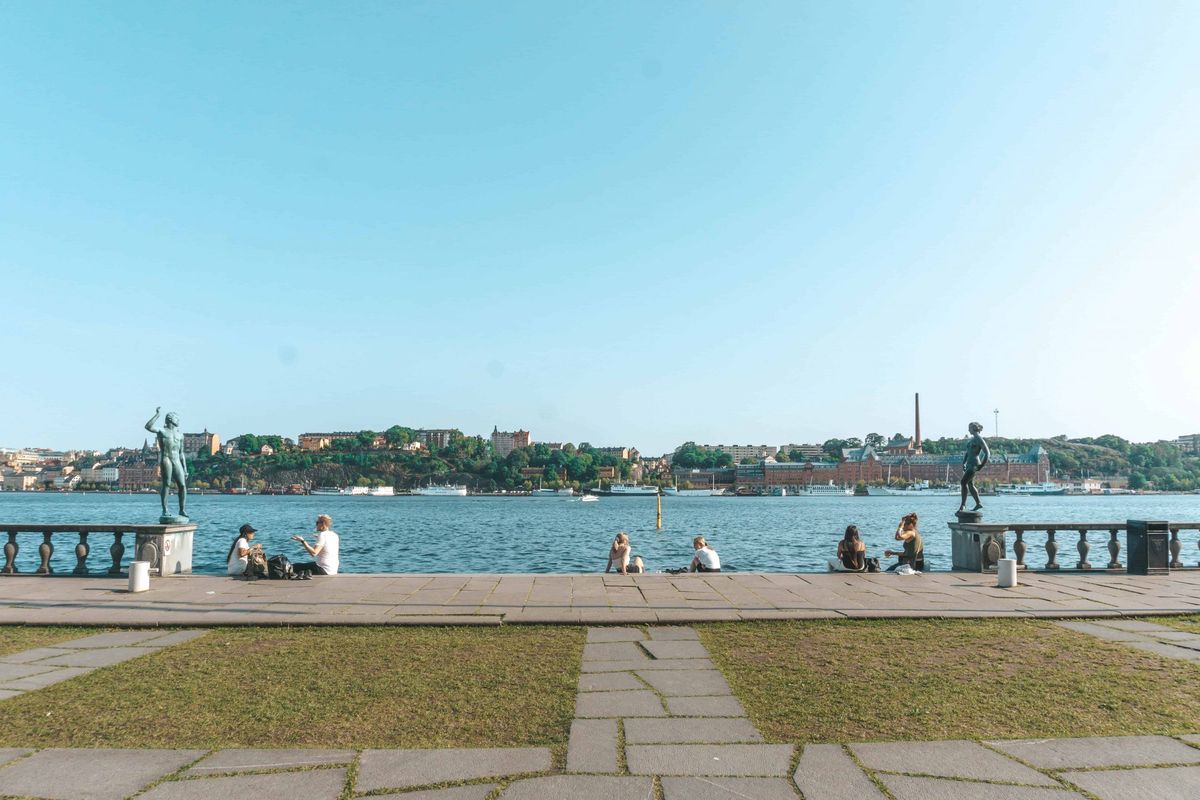
👥 Best For: First-timers and returning visitors who want a logistically clean route.
🚶 Total Pace: Relaxed — one neighborhood per day, no cross-city backtracking.
🏆 Top Sight: The Vasa Museum (book morning tickets in advance).
⚠️ Booking Warning: Vasa Museum and Royal Palace sell out in summer — book 2+ days ahead.
❄️ Visiting November–March? This route works year-round, but check the Stockholm Winter Guide for seasonal swaps.
I lived in Stockholm from 2018 to 2024 — six years as a resident, not a tourist. I've done this exact 3-day route with family visiting from abroad more times than I can count. The itinerary below is the one that always lands: logistically clean, genuinely local, and honest about what is and isn't worth your money.
🤩 My Base: I recommend staying near T-Centralen in Norrmalm — it is the transit hub for Day 1 and Day 2, and Södermalm is only 2 minutes south by metro. Book your hotel on Booking.com or check Agoda for better deals on boutique stays.
Why This Itinerary Works
Stockholm spans 14 islands connected by bridges, metro, and ferries. The biggest mistake first-timers make is treating it like a compact European city and trying to cross it multiple times in a day.
This plan groups sights by neighborhood — one island per day — so you walk less and see more. Every transition in the itinerary is under 20 minutes by public transit.
Day 1: The Royal Core (Gamla Stan + Norrmalm)
09:00 AM — Royal Palace Before the Crowds
The Royal Palace (Kungliga Slottet) is the world's largest palace still used as an official royal residence — 600 rooms across five floors. Tickets cost 180–190 SEK for adults and 95 SEK for ages 7–17. Book online before you arrive; counter queues peak before noon and the popular Treasury rooms sell out in summer.
Get here by T-bana to Gamla Stan station (T13/T14, direction Fruängen/Norsborg). From T-Centralen it is a 3-minute ride. Exit at the main staircase and walk north toward the palace square.
The Changing of the Guard runs daily mid-April through October (weekdays 12:15, weekends 13:15) and Sundays only November through March at 13:15.
Heads up: Arrive before 10:00 if you want the alleys without tour groups.
11:00 AM — Get Lost in the Alleys
The most-photographed view in Gamla Stan is Stortorget — the red and yellow 17th-century buildings around the main square that appear on every Stockholm postcard. Most visitors photograph it and move on, but the more interesting experience is getting lost in the alleys around it.
Walk to Mårten Trotzigs Gränd — the narrowest street in Stockholm at 90 centimeters at its tightest point. Most people walk right past the entrance without realizing it is a through-route. Look for it between Prästgatan and Västerlånggatan, about 2 minutes south of Stortorget.
☕️ 12:00 PM — ADHD Buffer Zone
Grab a coffee at one of the cafés on Stortorget or along Västerlånggatan. Sit, recharge, people-watch. Stockholm rewards the slow day.
01:30 PM — Stockholm City Hall (Stadshuset)
Stadshuset is where the Nobel Prize banquet is held every December. The tower (106 meters) has one of the best viewpoints in the city.
Tower tickets cost 60 SEK but the tower is only open May through August. Outside those months, the guided interior tour (150 SEK adults, 130 SEK students) includes the Nobel banquet hall and the Golden Hall.
From Gamla Stan station, take T-bana one stop to T-Centralen and walk 10 minutes west along Stadshusbron to Hantverkargatan 1. You can also walk the scenic route across Riddarholmen island (about 20 minutes).
💰 Budget tip: The waterfront path Norr Mälarstrand (along the south side of Stadshuset toward Kungsholmen) is completely free and has clean views over the water.
Day 2: The Island of Museums (Djurgården)
09:30 AM — Getting to Djurgården
Take bus 69 from Norrmalmstorg (direction Blockhusudden) — 15 minutes from the city center. In summer (May–September), the Djurgårdslinjen ferry runs from Slussen directly to Djurgården in about 10 minutes and is worth taking for the water views. Djurgården has no T-bana stop.
10:00 AM — The Vasa Museum (Non-Negotiable)
The honest reaction most people have before entering: it is a ship. How impressive can a ship be? Then you walk through the doors and the scale changes everything. The Vasa is 69 meters long and 52 meters tall — and it is almost entirely intact. Standing at its hull and looking up is unlike anything in a conventional history museum. A ship that age, that complete, preserved in this condition, does not exist anywhere else in the world.
It sank 20 minutes into its maiden voyage in 1628 and was raised nearly complete in 1961. Aim to arrive at opening (10:00) — afternoon queues in July regularly hit 45 to 90 minutes even with pre-booked tickets. Budget two hours minimum.
Book Vasa Museum tickets online — skip the counter queue.
Heads up: The museum is much darker inside than photos suggest. The ship is kept in low light to preserve the wood.
🤩 Don't forget: Bring a phone that handles low light — photography is allowed, tripods are not.
☕️ 12:30 PM — ADHD Buffer Zone
Grab lunch outside. Pack a picnic from an ICA or Hemköp near your hotel — Stockholm restaurant main courses average 200–350 SEK, and eating in the Djurgården gardens saves real money on a day where museum entry already adds up.
02:00 PM — ABBA Museum or Skansen (Pick One)
Doing both in one afternoon is possible but rushed.
Go to the ABBA Museum if your group has any interest in music, pop culture, or interactive experiences. The exhibits include a virtual performance stage where you sing and dance with the band as a hologram. It is genuinely fun even if ABBA is not on your playlist. Book tickets via GetYourGuide.
Go to Skansen if you are traveling with children or want to see Swedish nature without leaving the city. Europe's oldest open-air museum: historic buildings, Nordic animals (moose, wolverines, brown bears), and traditional craft demonstrations. It covers 75 acres — you need a half-day minimum. Book tickets via GetYourGuide.
04:30 PM — Rosendals Trädgård (Summer Only)
Walk 10 minutes east from Skansen to Rosendals Trädgård — a biodynamic kitchen garden that is open to the public in summer. The garden café bakes its bread on site and runs almost entirely on what grows in the greenhouse. It is the kind of place that is easy to stay in for an hour longer than you planned. (Open approximately May–September.)
Day 3: The Creative Pulse (Södermalm)
08:30 AM — Monteliusvägen Before the Crowds
T-bana to Slussen station (T13/T14, direction Fruängen or Norsborg). From T-Centralen, 2 minutes.
Monteliusvägen is a 500-meter elevated walking path along the cliff edge of Södermalm. The views across Gamla Stan, Stadshuset, and Lake Mälaren are unobstructed and completely free.
Enter from Bellmansgatan (near Brännkyrkagatan 42) and walk west toward the Västerbron end. The full walk takes about 20 minutes at a relaxed pace. Morning light faces east toward Gamla Stan — best photography timing. By 10:30 the path gets busy with tour groups. Go early.
☕️ 10:00 AM — ADHD Buffer Zone
Find a café along Hornsgatan or Bellmansgatan. Södermalm has the best independent café scene in Stockholm — pick any spot with outdoor seating facing the water.
11:30 AM — Fotografiska
Fotografiska is one of Europe's top contemporary photography museums. Exhibitions rotate every few months, so check the current program before you arrive.
From Monteliusvägen, walk east along Söder Mälarstrand (about 20 minutes on foot) to Stadsgårdshamnen 22. Entry costs 200 SEK on weekdays, 230 SEK on weekends. Students and seniors pay 160 SEK weekdays. Wednesdays from 18:00 offer two-for-one entry. Children under 16 are free.
Heads up: If the current exhibition is not your thing, the café on the top floor has water views and excellent fika. Worth a stop even without museum entry.
02:00 PM — SoFo Shopping
SoFo (South of Folkungagatan) is Södermalm's independent retail district — Swedish design, vintage stores, small galleries, and local food shops. The area runs between Skånegatan and Bondegatan.
Skip Götgatan (chain stores, not worth the walk). Walk Skånegatan instead, heading east toward Nytorget square. The cafés around Nytorget are where locals actually eat.
If you are there on the last Thursday of the month, that is SoFo Night: shops stay open until 21:00, with live music, special offers, and the kind of street energy Södermalm does best.
💰 Budget tip: The Stockholm Subway Art system runs throughout the T-bana — 91 of the 100 stations have permanent art installations. The Blue Line stations (T10/T11) are the most dramatic; Solna Centrum and Kungsträdgården are the most photographed. Ride a few stations before or after Södermalm for free art at metro scale. → Full subway art guide
Seasonal Adjustments
Summer (June–August)
Add a half-day trip to the Stockholm archipelago. Take a Waxholmsbolaget ferry from Strömkajen (in front of the Grand Hôtel, near Nationalmuseum) to Vaxholm — 75 minutes each way, walkable town, no car needed.
In June, Stockholm barely gets dark. If you are a light sleeper, bring an eye mask — the sun sets past 22:00 and rises again before 04:00.
Winter (November–March)
Swap the archipelago ferry for ice skating at Kungsträdgården. Entry is free; skate rental is available on site.
Day 3 works better starting slightly later in winter. Monteliusvägen at golden hour (around 14:00–14:30 in December) gives you the city skyline with holiday lights — a better shot than the summer morning.
Christmas markets: Gamla Stan's Stortorget market runs late November through December. Skansen runs a separately ticketed Christmas market.
What to Skip
The SkyView gondola at Avicii Arena: Fine concept, but the views are not better than Monteliusvägen and it costs around 195 SEK. Save the money.
Stockholm City Cards: The math only works if you are doing four or more paid attractions per day. Most of Stockholm's best experiences cost nothing. Check the free museums guide before buying any pass.
Drottninggatan for shopping: Stockholm's generic high street. Chain stores, not much else. SoFo is noticeably better for independent stores.
The Vasa Museum in the afternoon during July: Even with pre-booked tickets, afternoon entry in peak summer means queuing and a very crowded experience. Mornings only.
Getting Around Stockholm
Stockholm's public transport (SL) covers metro, bus, tram, and some ferries on a single ticket system. A single journey costs 40 SEK; a 72-hour unlimited pass is 385 SEK and makes sense for this itinerary.
Buy an SL Access card at any Pressbyrån convenience store or use the SL app (iOS/Android). Buy before you board buses — you cannot pay the driver.
Arriving from Arlanda Airport: The Arlanda Express train takes 20 minutes to T-Centralen (310 SEK). The Flygbussarna bus takes 40–45 minutes for 149 SEK. The Express is worth it only with heavy luggage going directly to a central hotel.
Where to Stay
Norrmalm (near T-Centralen): Most convenient for Day 1 and 2. Higher prices, business-district feel.
Södermalm: Better value, walkable to Day 3. 5 minutes by metro to Gamla Stan.
Gamla Stan: Atmospheric, but expensive and quiet at night.
Currency note: Stockholm is one of the world's most cashless cities. Card payment works almost everywhere, including street markets. Bring a no-fee travel card (Revolut, Wise) and skip the cash entirely.